FAO-Nafore Memorandum of Understanding, Strengthening peace and socio-economic resilience
Posted in :

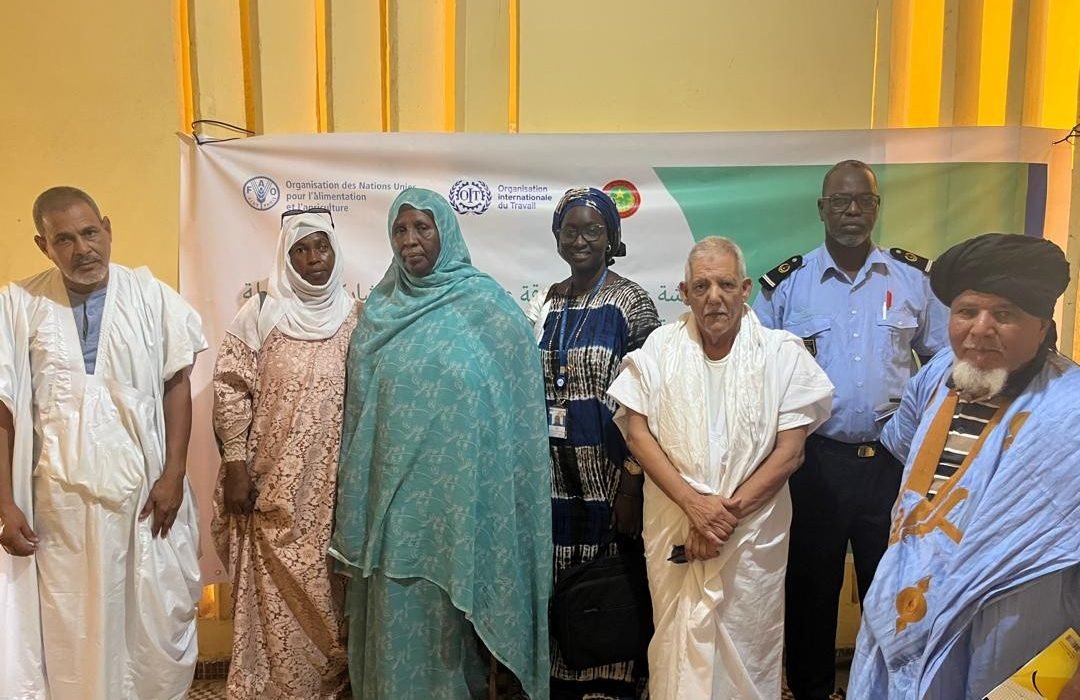
FAO-Nafore agreement protocol entitled ‘Strengthening the capacities of young champions in green jobs and social cohesion on the effects of climate change, access and sustainable management of natural resources in Dar Naim and Rosso’
Objectif du protocole d’accord
The overall objective of the project is to promote the professional integration of young people through the enhancement of green jobs, while strengthening social peace and resilience to the effects of climate change. The project operates in areas with high socio-economic and environmental vulnerability, where issues related to sustainability and social cohesion are particularly present.
Activity completed
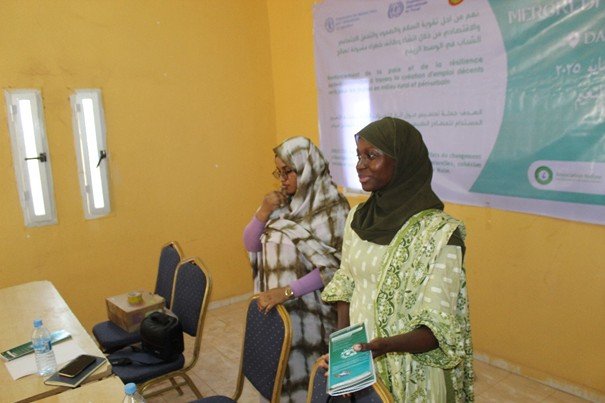
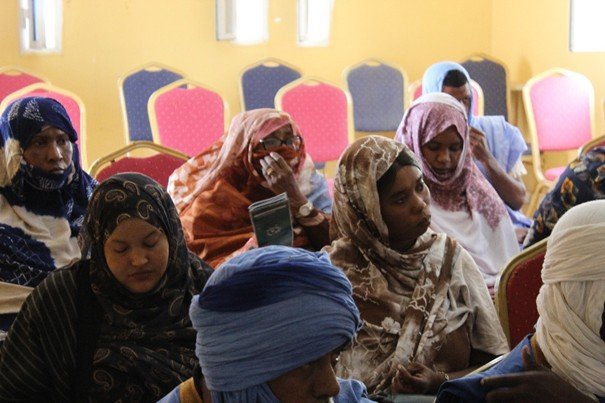
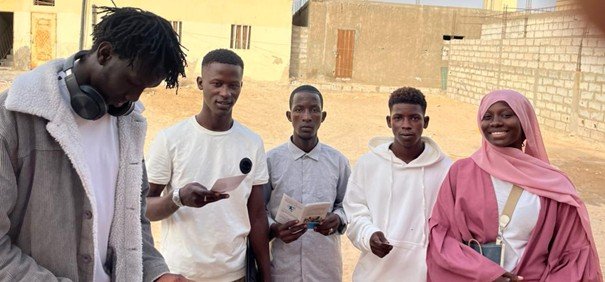
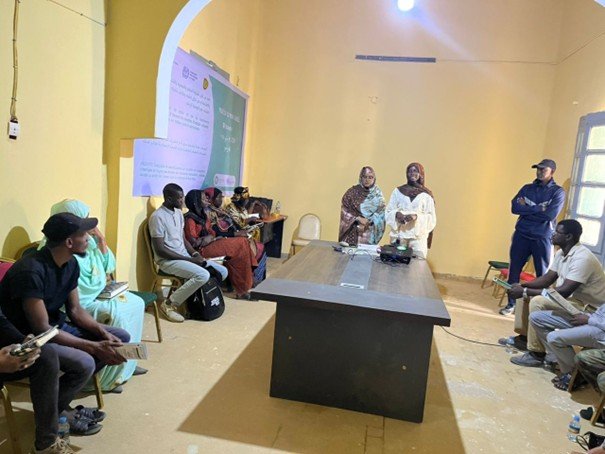
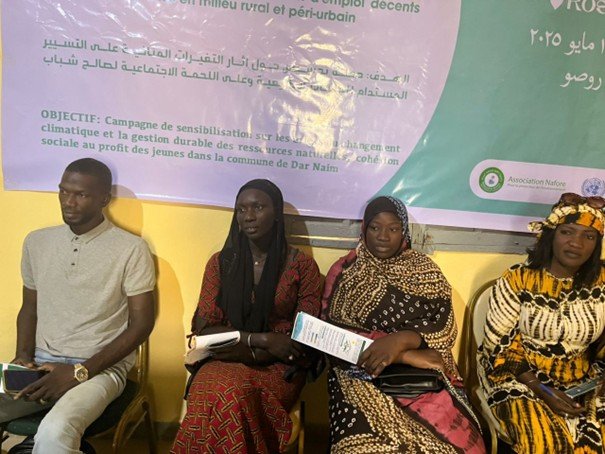
Awareness campaigns on the effects of climate change and natural resource management, social cohesion for the benefit of young champions are being carried out.

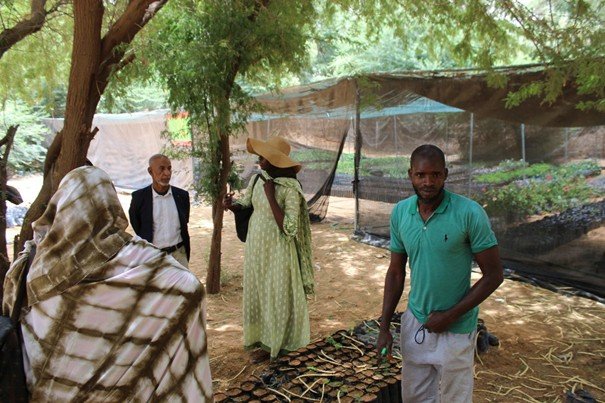
Product 2: Training Young Champions
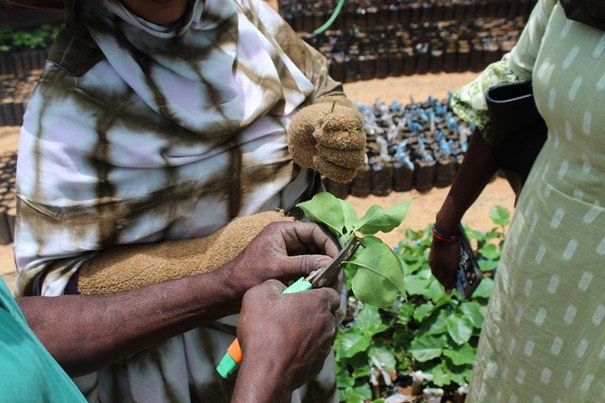
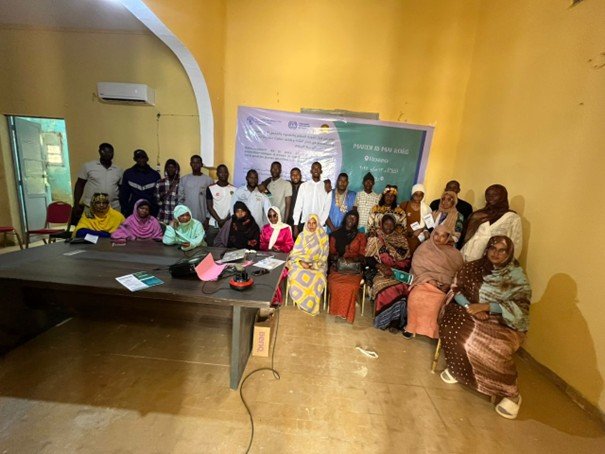
In Dar Naim as in Rosso, the challenges are evident: pressure on natural resources, youth unemployment, sometimes latent social tensions, and the increasingly pronounced effects of climate change. It was in this context that, during October 2025, sixty young Mauritanians participated in a unique training program.
Within the framework of the memorandum of understanding between the FAO and the Naforé Association, this initiative had a clear ambition: to transform young citizens into agents of peace, resilience, and ecological transition at the heart of their communities.
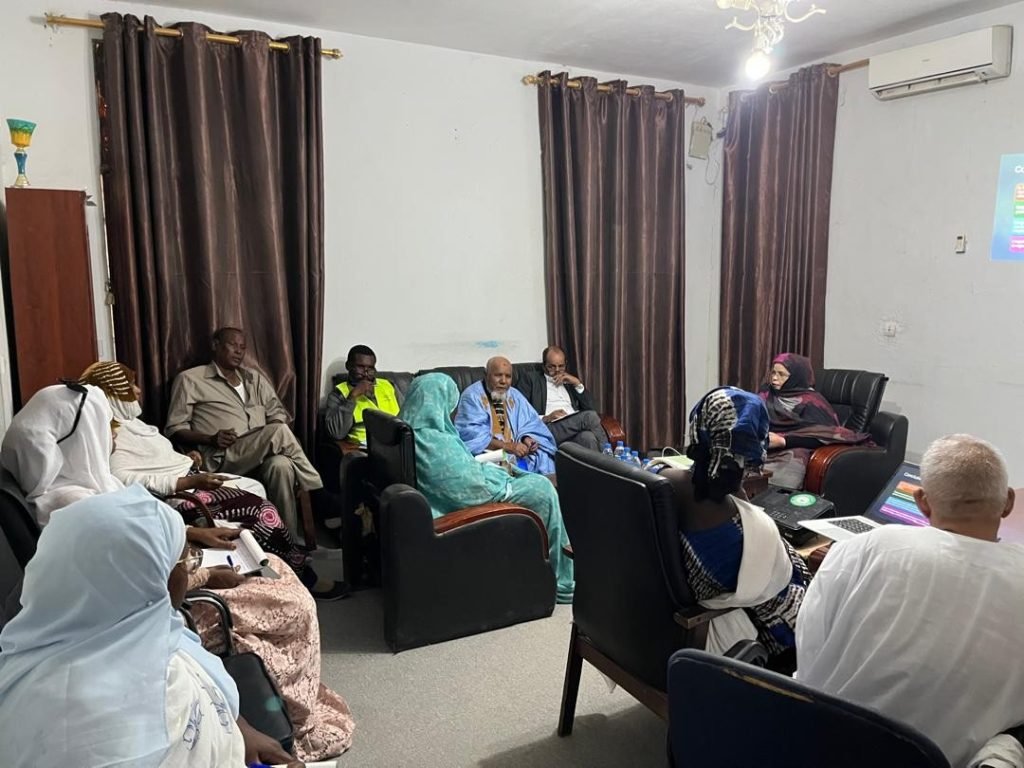
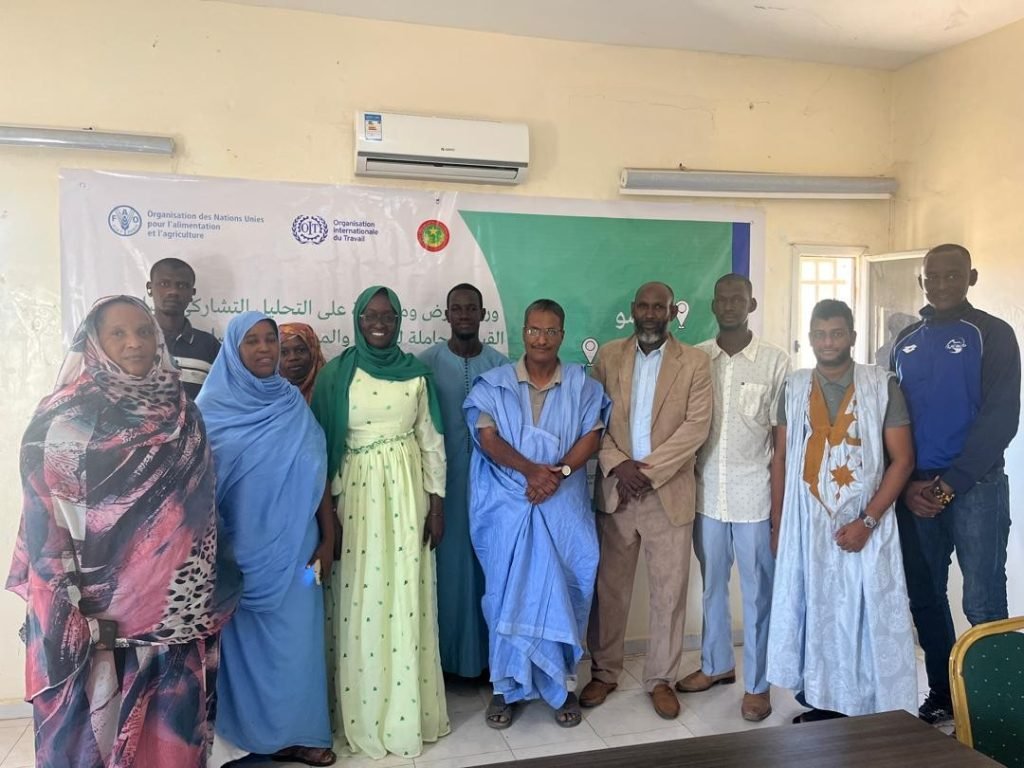
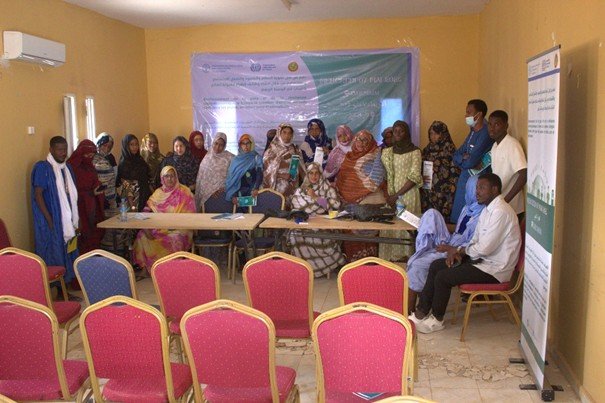
For three days in each location, the training rooms became spaces for dialogue, reflection, and engagement. The participants—50 young “champions” and 10 members of the Local Technical Committees—came not only to learn, but also to understand their role in the ongoing social and environmental transformations. Among them were 29 young women, whose active participation strengthened the inclusive nature of the initiative.
Throughout the modules, the discussions connected local realities to global issues. The young people explored the causes and impacts of climate change in Mauritania, discovered the opportunities offered by the green economy, and identified sectors with the potential for sustainable employment. Very quickly, the discussions moved beyond theory: how to transform an environmental problem into an economic opportunity? How to access green financing? How to design projects that benefit their community?
But the training didn’t stop at the environment. It also addressed a central issue in community life: conflict management. Through role-playing, simulations, and open discussions, participants learned to recognize sources of tension, use non-violent communication, and prioritize mediation. Many emphasized the importance of women’s role in these processes of dialogue and social cohesion.
The third pillar grounded this learning in the national legal framework. The young people discovered Mauritanian texts governing the management of natural resources, the forestry, pastoral, and environmental codes, giving them a framework for understanding their rights, responsibilities, and conflict resolution mechanisms related to access to resources.
The participatory approach was a hallmark of the entire training. Through pre- and post-tests, group work, case studies, and experience sharing, the young people collectively built their knowledge. The results were striking: a significant increase in knowledge, with 85% of participants able to navigate green financing mechanisms, and nearly 80% having formulated concrete ideas for micro-projects related to the green economy.
Beyond the figures, a shift in perspective took place. More than 85% of participants now see the green economy as a realistic response to climate challenges. Many committed to raising awareness among their communities, promoting dialogue, and becoming local advocates for peace and sustainable development.
This training was therefore not an end in itself, but the beginning of a process. The recommendations stemming from the discussions call for the creation of spaces for community dialogue and support for the micro-projects led by these young champions. Because it is over time, within neighborhoods and villages themselves, that these new skills can translate into concrete actions.
In Dar Naim and Rosso, a dynamic has been set in motion: that of a young generation equipped with the necessary skills, aware of its role, and ready to build a greener, fairer, and more peaceful future.
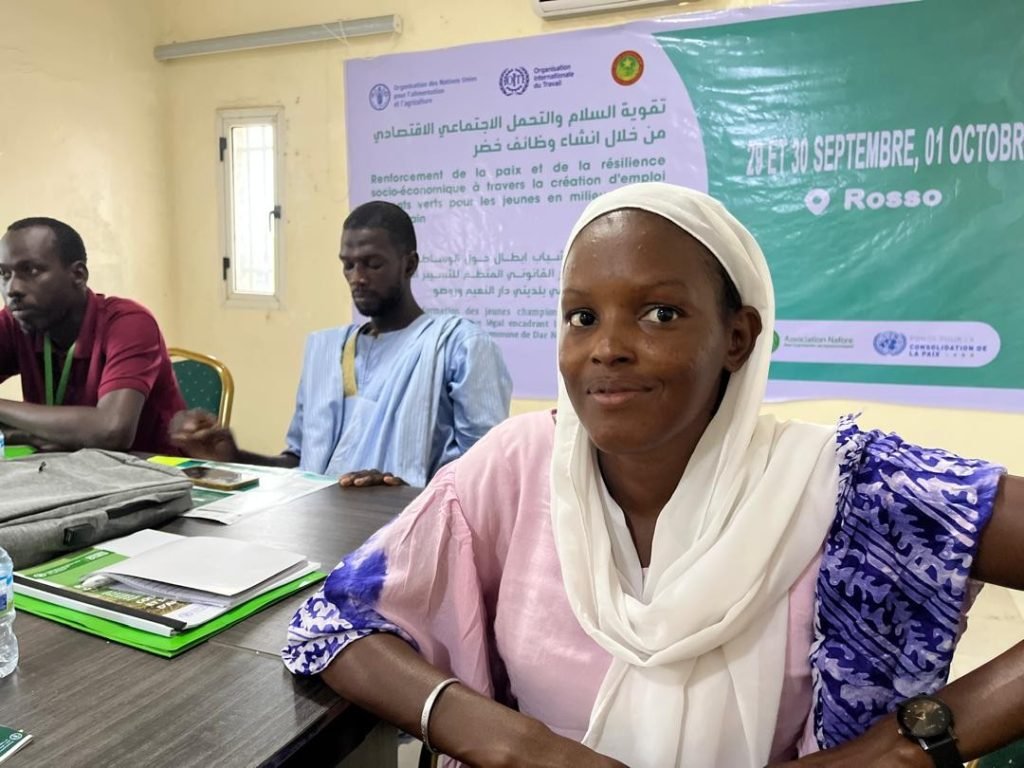
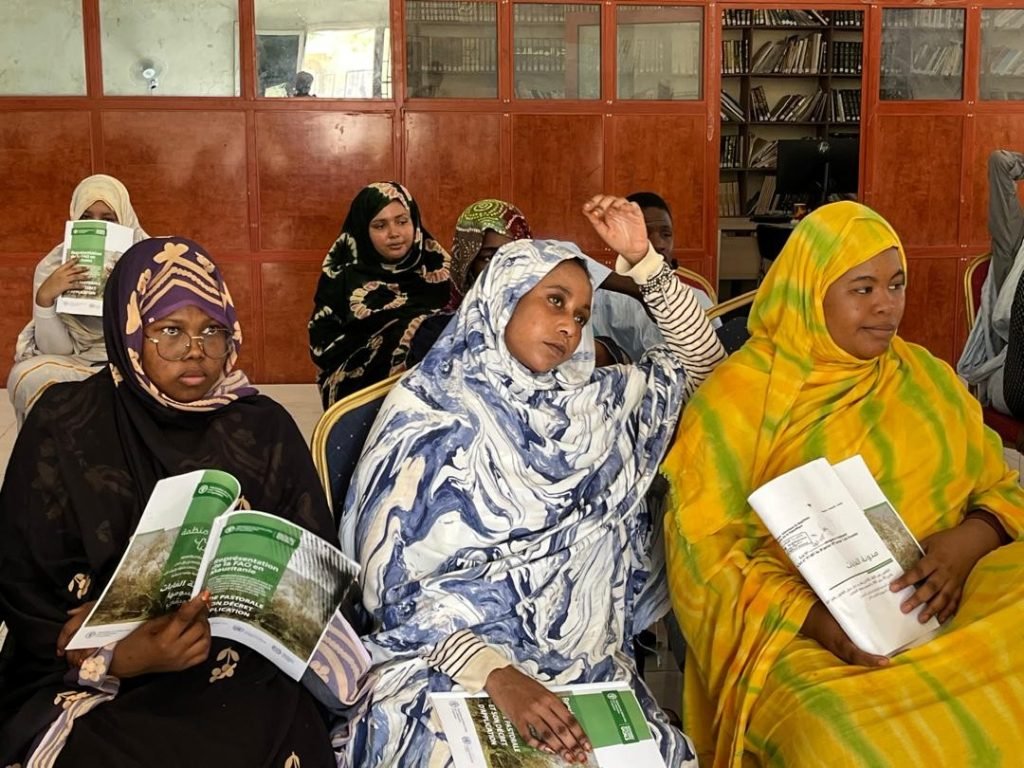
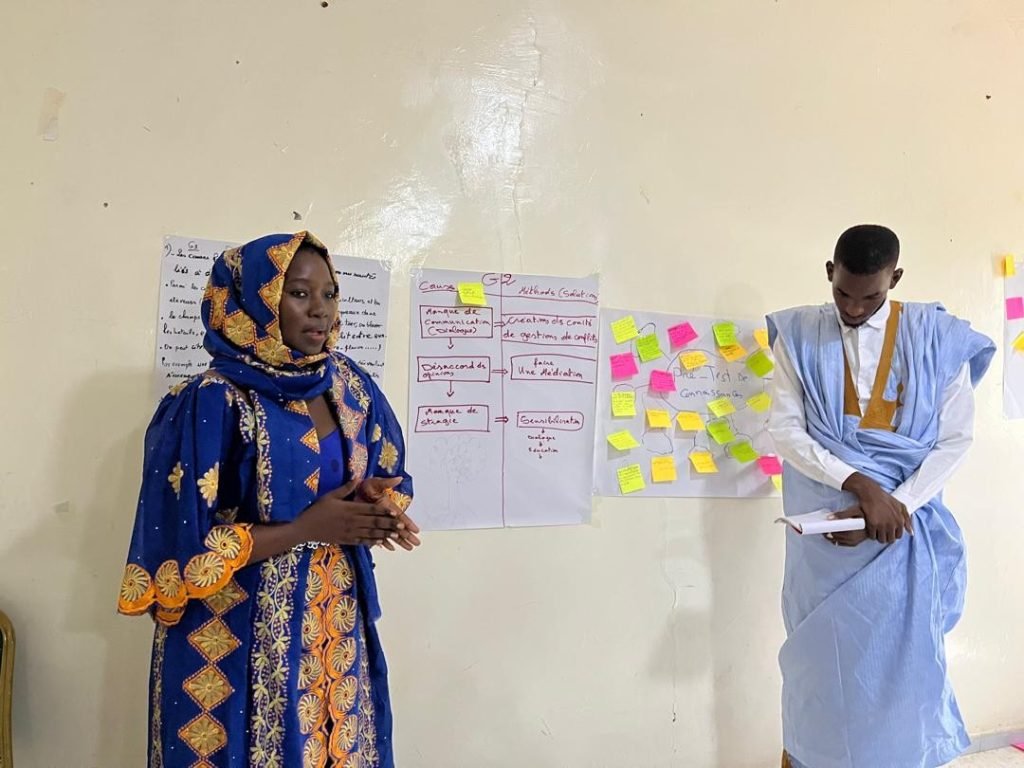
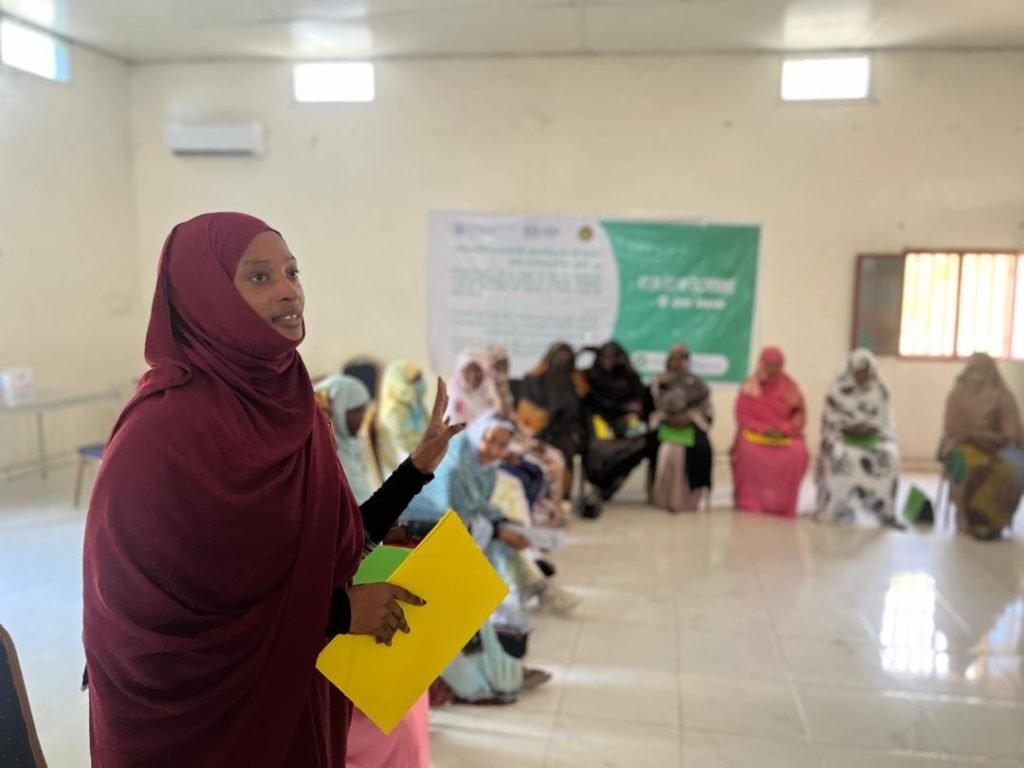
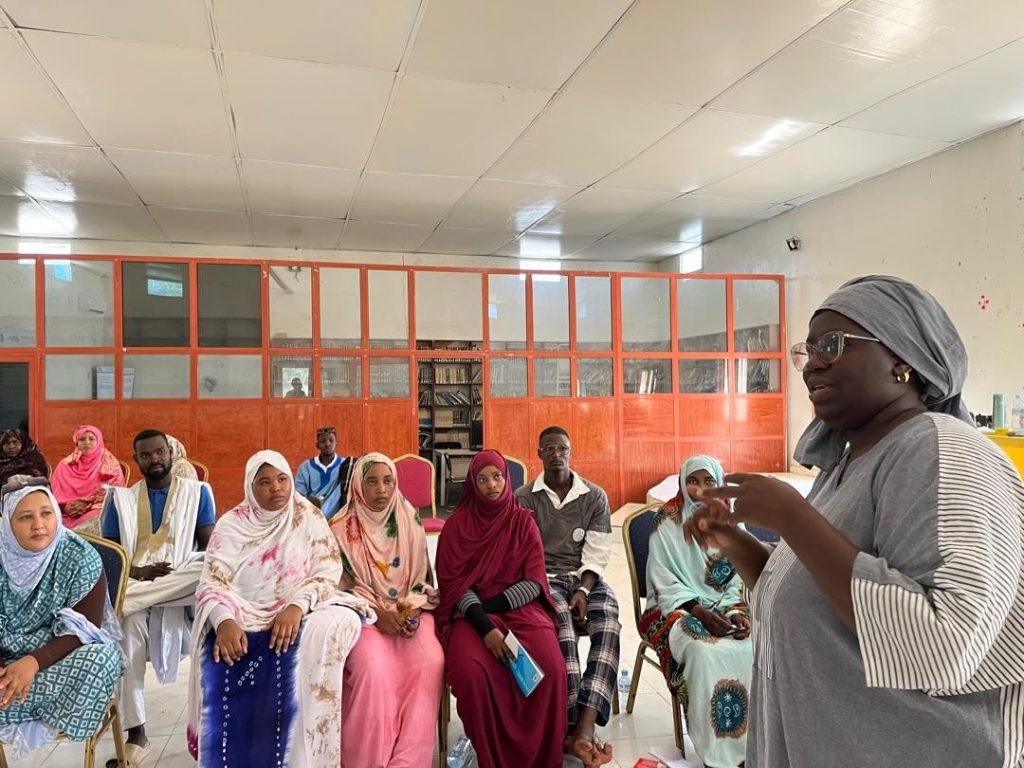
Produit 3 : Atelier participatif sur les chaînes de valeur et la planification locale inclusive
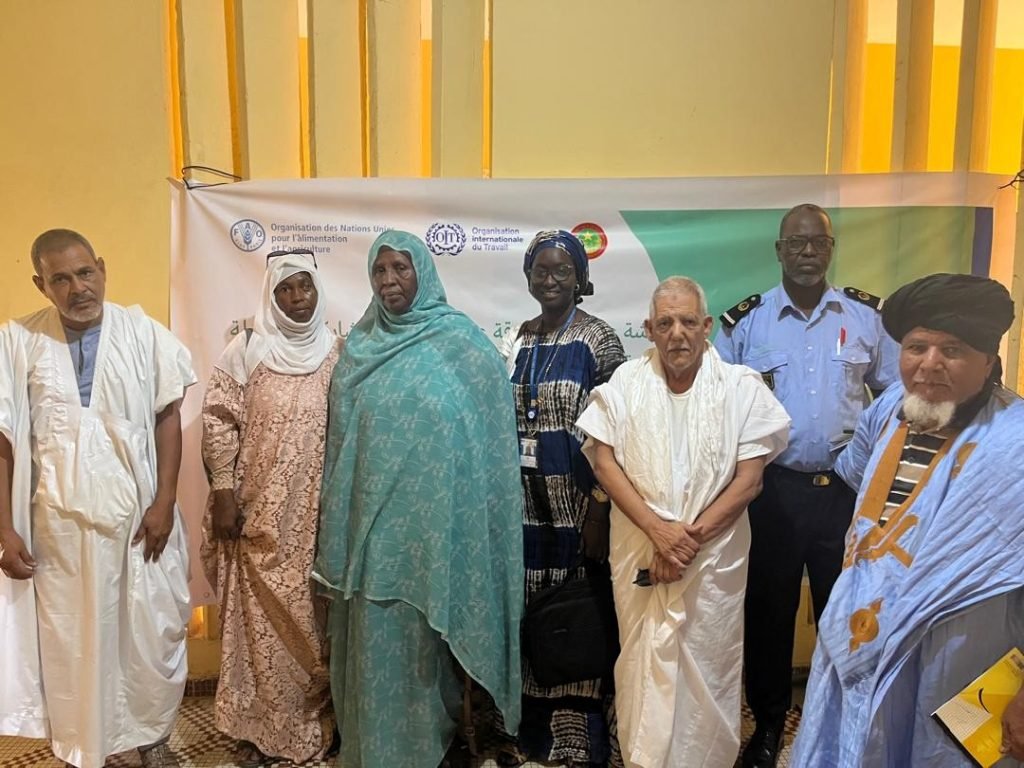
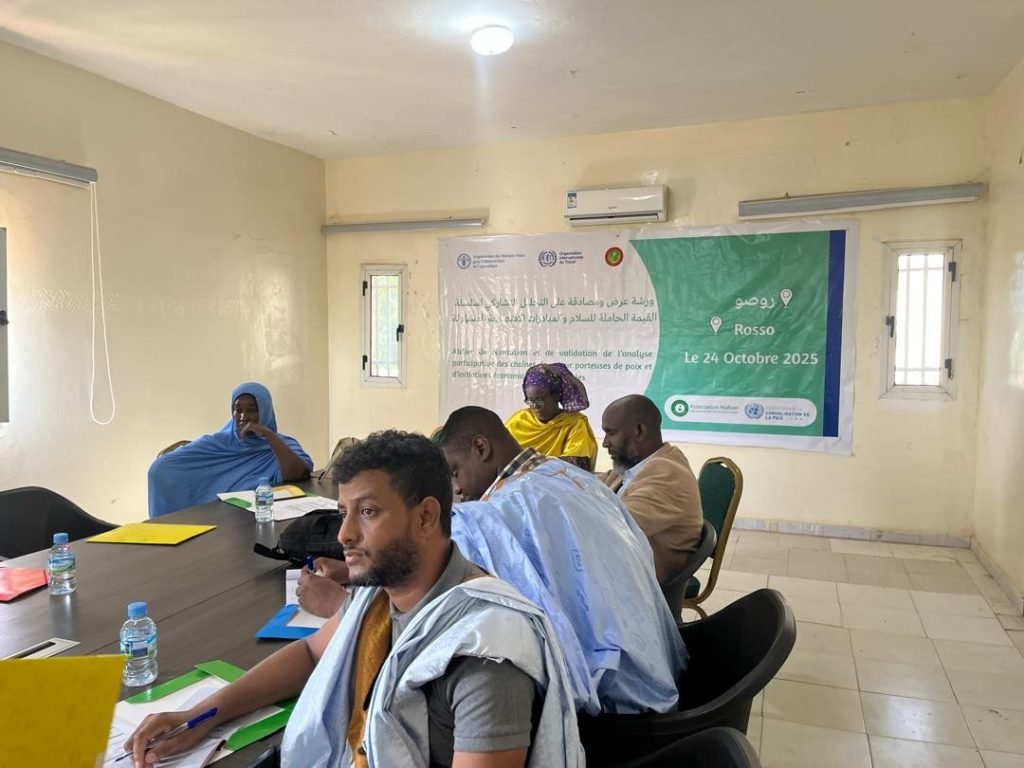
Dans le cadre du partenariat entre la FAO et l’Association NAFORE, un atelier a été organisé à Dar Naïm et Rosso afin d’appuyer un processus participatif d’élaboration de plans de développement locaux sensibles au genre et à l’âge. Cette rencontre s’inscrit dans un dispositif visant à renforcer l’emploi des jeunes, les filières vertes et la gestion durable des ressources naturelles.
Ouvert par les autorités locales, l’atelier a réuni une diversité d’acteurs : comités techniques locaux, services communaux, organisations de producteurs, associations de jeunes et de femmes, acteurs économiques et partenaires techniques. Les échanges ont porté sur les résultats d’une étude des chaînes de valeur, mettant en avant les filières prioritaires notamment le maraîchage et la production laitière ainsi que les opportunités d’emplois pour les jeunes.
À travers des travaux de groupe, les participants ont formulé des recommandations concrètes autour de trois axes :
- Le renforcement des infrastructures et des équipements agricoles,
- L’inclusion des jeunes et des femmes dans les filières productives,
- L’adoption de technologies durables et innovantes.
À Dar Naim, l’accent a été mis sur l’accès à la terre, à l’eau, aux intrants et à l’encadrement technique, ainsi que sur le leadership féminin et la digitalisation de la commercialisation.
À Rosso, les priorités portent sur les infrastructures de conservation et de transformation (chambre froide, mini-laiterie), la mécanisation, le désenclavement des zones de production et l’amélioration de la qualité des produits.
Les discussions ont également souligné l’importance des solutions innovantes telles que l’irrigation économe en eau, le compostage, l’énergie solaire, la transformation locale et les outils numériques pour moderniser l’agriculture et la filière laitière, tout en créant des emplois verts.
À l’issue de l’atelier, l’Association Naforé s’est engagée à intégrer ces recommandations dans le plan d’action du protocole FAO-NAFORE, à mobiliser des ressources pour les actions prioritaires et à assurer un suivi régulier avec les acteurs locaux. Cet atelier marque ainsi une étape clé vers un développement local plus inclusif, résilient et créateur d’opportunités pour les jeunes et les femmes.